
PIPAC Treatment for Abdominal Cancer: Procedure, Uses and Limitations - PIPAC Treatment in Chennai
PIPAC Treatment for Abdominal Cancer: Procedure, Uses and Limitations - PIPAC Treatment in Chennai provides an overview of an emerging approach to chemotherapy delivery for selected patients with cancer involving the abdominal lining.
Pressurized Intraperitoneal Aerosol Chemotherapy, commonly known as PIPAC, is a minimally invasive chemotherapy delivery technique being investigated for patients with peritoneal metastases arising from stomach cancer, ovarian cancer, colorectal cancer and other abdominal malignancies.
Patients exploring PIPAC treatment in Chennai can consult Dr. Srikarthik Voleti, Surgical Oncologist and Robotic Cancer Surgeon at Kauvery Hospital, Radial Road, Chennai, for specialist assessment of abdominal cancer and available treatment options.
What Is PIPAC Treatment for Abdominal Cancer?
PIPAC stands for Pressurized Intraperitoneal Aerosol Chemotherapy. It is an emerging technique designed to deliver chemotherapy directly into the peritoneal cavity as a fine aerosol under controlled pressure.
Unlike conventional intravenous chemotherapy treatment, which delivers medications through the bloodstream, PIPAC is designed to expose cancer deposits within the abdominal cavity directly to chemotherapy.
How Does PIPAC Chemotherapy Work?
PIPAC uses specialized laparoscopic equipment to administer aerosolized chemotherapy inside the abdomen. The controlled pressure is intended to improve the distribution of chemotherapy across peritoneal surfaces.
Localized Chemotherapy for Peritoneal Cancer
The primary objective of PIPAC is localized drug delivery rather than surgical removal of tumours. Researchers are evaluating its potential role in selected patients with peritoneal metastatic disease.
PIPAC Treatment in Chennai
An individualized surgical oncology consultation helps determine whether conventional chemotherapy, cancer surgery, HIPEC, PIPAC evaluation or another treatment approach may be appropriate.
Explore PIPAC Treatment in Chennai →Understanding Abdominal Cancer and Peritoneal Metastases
Abdominal cancer includes malignancies that develop in organs and tissues within the abdominal cavity. Certain cancers can spread to the peritoneum, which is the thin membrane covering abdominal organs and lining the abdominal wall.
When cancer cells spread to the peritoneum and form tumour deposits, the condition is referred to as peritoneal metastases or peritoneal carcinomatosis.
Peritoneal Metastases
Cancer deposits involving the abdominal lining may develop from gastrointestinal, ovarian and other abdominal cancers.
Advanced Abdominal Cancer
Treatment may involve systemic chemotherapy, targeted therapy, cancer surgery and supportive oncology care.
Peritoneal Carcinomatosis
Cancer involving multiple peritoneal surfaces requires specialist evaluation to identify appropriate treatment options.
PIPAC Treatment Procedure: How Is PIPAC Performed?
PIPAC is generally performed under general anesthesia using minimally invasive laparoscopic access, when a suitable clinical treatment or research protocol is available.
Pre-Treatment Evaluation
The oncology team reviews medical history, biopsy reports, previous chemotherapy, scans and the patient's overall physical condition.
Laparoscopic Access
Small abdominal incisions allow the surgeon to inspect the peritoneal cavity and evaluate whether the procedure is technically feasible.
Peritoneal Assessment
The distribution of cancer deposits is assessed. Tissue samples may be collected to evaluate the disease and previous treatment response.
Aerosol Chemotherapy
Specialized equipment delivers chemotherapy as a pressurized aerosol into the abdominal cavity according to the treatment protocol.
Controlled Treatment
The chemotherapy remains within the abdominal cavity for a defined treatment period, followed by controlled evacuation.
Recovery and Follow-Up
The patient is monitored following the procedure, and the oncology team evaluates recovery and subsequent treatment requirements.
How Long Does PIPAC Surgery Take?
An uncomplicated PIPAC procedure may take approximately one hour, although the total operating theatre and recovery time depends on the patient's condition and procedural requirements.
Is PIPAC a Minimally Invasive Cancer Treatment?
PIPAC generally involves small laparoscopic incisions rather than extensive open abdominal surgery. However, it still involves anesthesia, an invasive procedure and chemotherapy administration.
Uses of PIPAC Treatment for Abdominal Cancer
PIPAC is being investigated for several types of cancer associated with peritoneal metastases. Eligibility varies according to cancer type, disease extent, previous treatment and available clinical protocols.
PIPAC Treatment for Stomach Cancer in Chennai
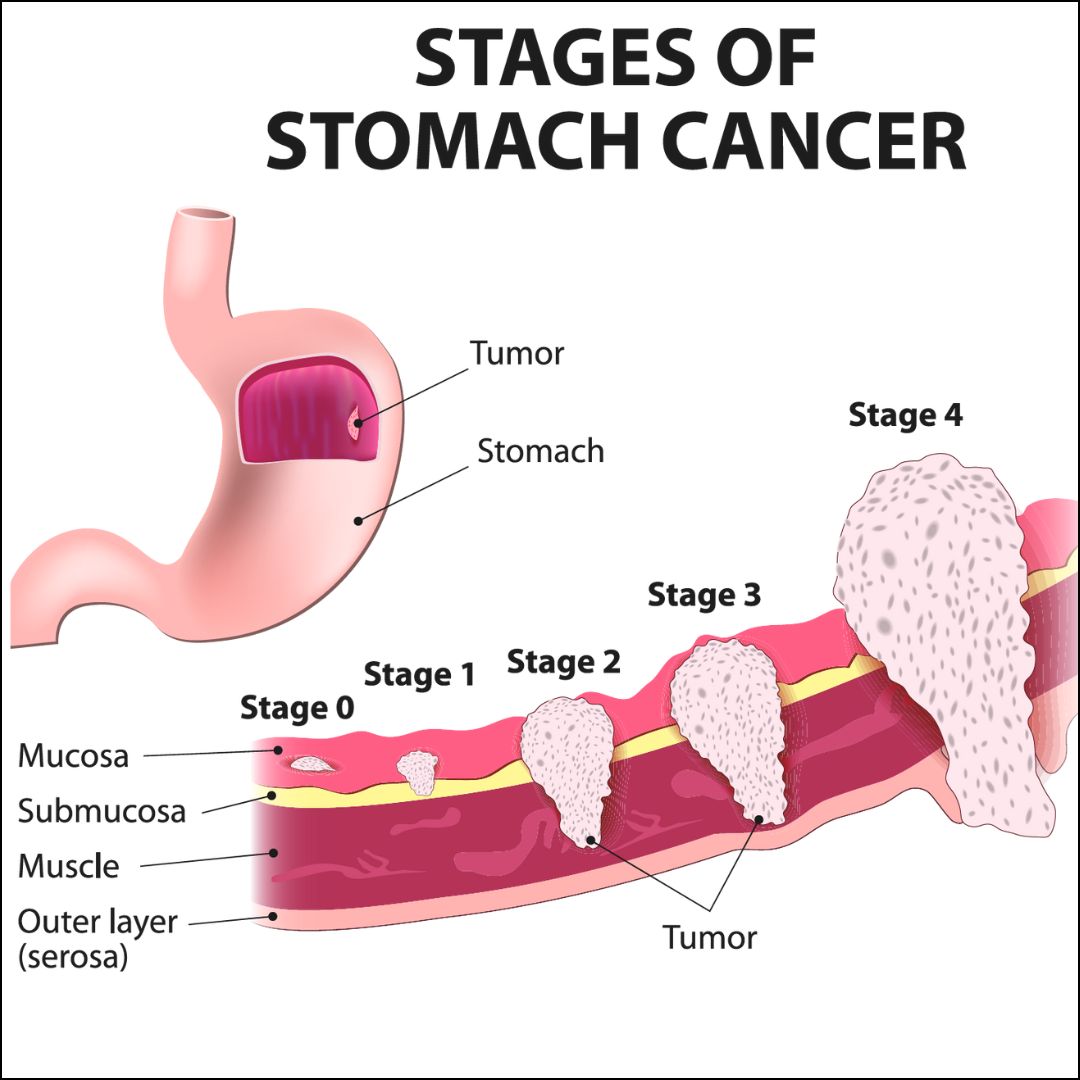
Stomach cancer, also known as gastric cancer, may spread to the peritoneal lining in advanced stages. Researchers are evaluating PIPAC chemotherapy for selected patients with gastric cancer and peritoneal metastases.
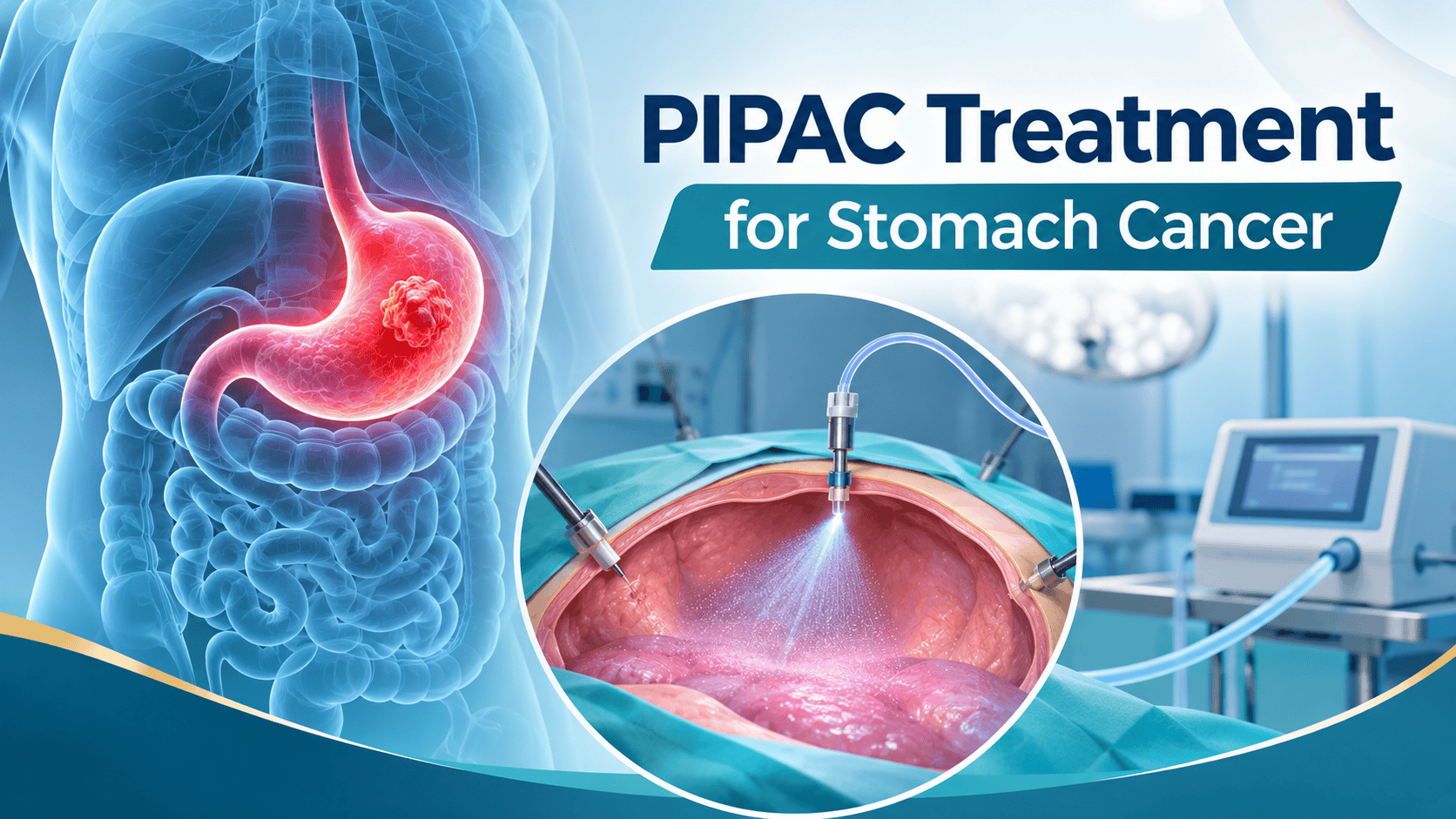
Patients seeking PIPAC treatment for stomach cancer in Chennai can discuss their biopsy findings, radiological investigations, systemic chemotherapy options and suitability for specialized peritoneal cancer treatment with an oncology surgeon.
Stomach Cancer Treatment in ChennaiPIPAC for Ovarian Cancer
Ovarian cancer may spread extensively throughout the peritoneal cavity. PIPAC is being studied for selected patients, including certain recurrent ovarian cancer settings.
Ovarian Cancer Treatment →PIPAC for Colorectal Cancer
Selected patients with colorectal cancer and peritoneal metastases may undergo assessment for emerging locoregional treatment approaches.
Colon Cancer Treatment →PIPAC for Appendiceal Cancer
Appendiceal cancers involving the peritoneum require specialized evaluation. CRS and HIPEC may be appropriate for selected tumour types, while PIPAC remains investigational.
Recurrent Peritoneal Cancer
Patients with recurrent peritoneal metastases may benefit from reassessment of systemic chemotherapy, surgical options and appropriate clinical research protocols.
Metastatic Abdominal Cancer
An individualized treatment plan considers cancer biology, disease distribution, previous treatment response and the patient's overall health.
Peritoneal Surface Malignancies
Complex peritoneal malignancies require multidisciplinary oncology evaluation to determine appropriate treatment options and goals of care.
Who May Be Eligible for PIPAC Treatment in Chennai?
Not every patient with abdominal cancer or peritoneal metastases is eligible for PIPAC. A detailed surgical oncology assessment is required before considering this procedure.
Patient Selection for PIPAC Chemotherapy
- Confirmed cancer diagnosis involving the peritoneum.
- Type and biological characteristics of the primary cancer.
- Extent and distribution of peritoneal metastases.
- Previous chemotherapy treatment and response.
- Overall physical health and nutritional condition.
- Kidney, liver and bone marrow function.
- Previous abdominal surgeries.
- Suitability for general anesthesia and laparoscopy.
- Availability of an appropriate clinical protocol.
Multidisciplinary Cancer Treatment Planning
A surgical oncologist and medical oncologist may work together to evaluate whether PIPAC, systemic chemotherapy, HIPEC, cytoreductive surgery or another treatment approach is appropriate.
Potential Benefits of PIPAC Treatment for Abdominal Cancer
Clinical research is examining the potential advantages of pressurized aerosol chemotherapy for selected patients with peritoneal metastases.
Localized Drug Delivery
Chemotherapy is administered directly into the abdominal cavity to expose peritoneal tumour deposits to anticancer medications.
Minimally Invasive Approach
PIPAC generally uses laparoscopic access through small abdominal incisions.
Aerosol Distribution
The pressurized aerosol technique is designed to improve chemotherapy distribution across peritoneal surfaces.
Repeat Treatment Possibility
Certain research protocols allow repeat PIPAC procedures depending on patient recovery and disease response.
Direct Disease Evaluation
Laparoscopy and tissue sampling may help assess the distribution and treatment response of peritoneal disease.
Multimodal Oncology Care
Some clinical protocols evaluate PIPAC alongside systemic chemotherapy and other cancer treatment approaches.
Limitations of PIPAC Treatment for Abdominal Cancer
Understanding the limitations of PIPAC is important when evaluating treatment options for advanced abdominal cancer.
1. PIPAC Is an Emerging Treatment
PIPAC remains investigational in many clinical settings. Although studies have reported promising feasibility and tumour-response findings, a definitive survival advantage over established treatment has not been established.
2. PIPAC Primarily Targets Peritoneal Disease
As a localized treatment approach, PIPAC does not directly treat all cancer deposits outside the abdominal cavity.
3. Patient Eligibility Varies
Extensive abdominal adhesions, bowel obstruction, reduced organ function and difficulty obtaining safe laparoscopic access may limit eligibility.
4. Possible Treatment-Related Side Effects
PIPAC may be associated with abdominal discomfort, nausea, fatigue, chemotherapy-related toxicity and surgical or anesthesia-related complications.
5. Cancer Treatment Response Differs
Treatment outcomes depend on cancer type, tumour biology, disease extent and previous treatment. A response in tumour tissue does not necessarily establish a cure or longer survival.
6. Specialized Infrastructure
PIPAC requires dedicated equipment, trained oncology teams, controlled chemotherapy handling and appropriate operating theatre facilities.
Individualized Oncology Treatment Decisions
PIPAC treatment in Chennai should be considered in the context of the available clinical evidence, appropriate treatment protocols and individualized multidisciplinary assessment.
PIPAC vs HIPEC vs Conventional Chemotherapy Treatment
PIPAC and HIPEC are different methods of delivering chemotherapy to the peritoneal cavity. Conventional systemic chemotherapy treats cancer through medications distributed throughout the body.
PIPAC Treatment
Full Form:
Pressurized Intraperitoneal Aerosol Chemotherapy.
Delivery Method:
Pressurized chemotherapy aerosol.
Procedure:
Generally laparoscopic.
Clinical Role:
Investigational treatment for selected peritoneal metastases.
Sessions:
May be repeated under appropriate protocols.
Tumour Removal:
Not the primary objective.
HIPEC Treatment
Full Form:
Hyperthermic Intraperitoneal Chemotherapy.
Delivery Method:
Heated liquid chemotherapy.
Procedure:
Often combined with cytoreductive surgery.
Clinical Role:
Treatment of selected peritoneal malignancies.
Sessions:
Depends on the individual clinical situation.
Tumour Removal:
Often combined with removal of visible disease through CRS.
Systemic Chemotherapy
Method:
Systemic anticancer medications.
Delivery:
Intravenous or oral medications.
Procedure:
Usually does not require abdominal surgery.
Clinical Role:
Treatment according to cancer type, stage and biology.
Sessions:
Usually planned chemotherapy cycles.
Tumour Removal:
Not a surgical treatment.
Which Is Better: PIPAC or HIPEC?
Neither treatment is universally better. The suitability of PIPAC, HIPEC or conventional chemo treatment depends on the diagnosis, extent of cancer, previous treatments, available evidence and goals of care.
Learn More About Cytoreductive Surgery in Chennai →Recovery After PIPAC Treatment
Recovery following PIPAC chemotherapy varies according to the patient's general health, previous cancer treatments, abdominal anatomy and procedural requirements.
Before PIPAC Treatment
The oncology team may recommend blood investigations, nutritional assessment, imaging review and anesthesia evaluation.
Documents for Cancer Consultation
- Biopsy and histopathology reports.
- CT scan and MRI reports.
- Previous chemotherapy records.
- Previous surgery reports.
- Current medication information.
After PIPAC Treatment
The healthcare team monitors postoperative recovery and evaluates subsequent cancer treatment requirements.
Follow-Up Oncology Care
- Postoperative recovery assessment.
- Pain and symptom management.
- Nutritional support.
- Review of treatment response.
- Planning subsequent cancer treatment.
How Many PIPAC Treatment Sessions Are Required?
Certain PIPAC research protocols involve treatment sessions separated by approximately six to eight weeks. The number of sessions depends on patient eligibility, treatment tolerance, disease response and the clinical protocol.
There is no single treatment schedule suitable for every abdominal cancer patient.
PIPAC Treatment Cost in Chennai
PIPAC treatment cost in Chennai may vary depending on the patient's diagnosis, hospital facilities, specialized equipment, chemotherapy medications and procedural requirements.
Factors Affecting PIPAC Surgery Cost in Chennai
- Surgical oncology consultation.
- Diagnostic tests and cancer staging.
- Operating theatre charges.
- Anesthesia requirements.
- Specialized chemotherapy delivery equipment.
- Medication costs.
- Hospital admission and recovery.
- Number of treatment sessions.
- Additional chemotherapy treatment.
Hospital Cost Estimation and Insurance
Patients can discuss treatment availability, estimated expenses and possible insurance coverage with the hospital following specialist evaluation. Insurance coverage may differ because of the investigational status of PIPAC.
Finding a Cancer Doctor in Chennai for PIPAC Treatment
Patients searching for a cancer doctor in Chennai, oncologist in Chennai, surgical oncologist near me or oncology surgeon can benefit from choosing a specialist with relevant experience in their specific cancer diagnosis.
How to Choose the Best Oncologist in Chennai for Your Condition
When looking for the best oncologist in Chennai, best cancer specialist in Chennai or best surgical oncologist in Chennai, patients can consider medical qualifications, experience in the relevant cancer type, multidisciplinary oncology support and evidence-based treatment planning.
Patients comparing options for the best cancer hospital in Chennai may also consider access to surgical oncology, medical oncology, diagnostic imaging, pathology, anesthesia and supportive cancer care.
Surgical Oncology and Chemotherapy Treatment
A surgical oncologist evaluates the role of cancer surgery and specialized procedures. A medical oncologist manages systemic chemotherapy treatment, immunotherapy and targeted therapy when appropriate.
Finding an Oncologist Near Me in South Chennai
Dr. Srikarthik Voleti provides surgical oncology consultation at Kauvery Hospital, Radial Road, Kovilambakkam, Chennai.
The hospital location is convenient for patients seeking cancer consultation from Tambaram, Medavakkam, Pallikaranai, Chromepet, Velachery, Selaiyur, Keelkattalai and surrounding Chennai areas.
Meet Dr. Srikarthik Voleti – Surgical Oncologist in Chennai
Dr. Srikarthik Voleti
Surgical Oncologist & Robotic Cancer Surgeon | Kauvery Hospital Chennai
Dr. Srikarthik Voleti is a surgical oncologist and robotic cancer surgeon in Chennai with training in advanced cancer surgery, robotic oncology, minimally invasive surgical procedures and peritoneal cancer management.
Professional Training and Fellowships
- Tata Memorial Centre.
- Aster International Institute of Oncology.
- NYU Langone Health, Manhattan.
- Robotic thoracic oncology training.
- FRGUHS - Robotic and Minimal Access Surgical Oncology.
- Medtronic Minimally Invasive Robotic Surgery Fellowship.
Areas of Surgical Oncology Expertise
- Robotic cancer surgery.
- Gastrointestinal cancer surgery.
- Peritoneal cancer treatment evaluation.
- Cytoreductive surgery and HIPEC.
- PIPAC treatment assessment.
- Breast cancer surgery.
- Gynecological cancer surgery.
- Thoracic oncology.
- Head and neck cancer surgery.
Languages Spoken
English, Tamil, Telugu and Hindi.
Other Cancer Treatment Services in Chennai
Patients searching for a breast doctor near me, breast specialist doctor near me or breast cancer specialist in Chennai can explore the dedicated breast oncology services. Patients comparing options for the best head and neck cancer surgeon in Chennai can review the dedicated head and neck cancer surgery information.
Frequently Asked Questions About PIPAC Treatment in Chennai
1. What is PIPAC treatment for abdominal cancer?
PIPAC stands for Pressurized Intraperitoneal Aerosol Chemotherapy. It is an investigational chemotherapy delivery technique that administers pressurized aerosol chemotherapy directly into the abdominal cavity for selected patients with peritoneal metastases.
2. Which cancers can be evaluated for PIPAC treatment?
PIPAC is being investigated for selected patients with peritoneal metastases from stomach cancer, ovarian cancer, colorectal cancer, appendiceal cancer and other malignancies. Eligibility requires specialist assessment.
3. Can PIPAC cure stage 4 abdominal cancer?
PIPAC is not an established curative treatment for stage 4 abdominal cancer. Clinical research is evaluating its potential role in local disease management, symptom control and treatment response.
4. What is the difference between PIPAC and HIPEC?
PIPAC delivers chemotherapy as a pressurized aerosol, generally through laparoscopic access. HIPEC circulates heated liquid chemotherapy within the abdomen and is often performed following cytoreductive surgery. The treatments have different clinical indications.
5. What is the cost of PIPAC treatment in Chennai?
PIPAC treatment cost depends on diagnostic investigations, hospital facilities, chemotherapy medications, procedural requirements and the number of treatment sessions. Patients can request an individualized estimate following specialist evaluation and confirmation of treatment availability.
6. How many PIPAC chemotherapy sessions are required?
Some clinical protocols involve repeated PIPAC treatment sessions approximately six to eight weeks apart. The number of sessions depends on treatment tolerance, disease response, patient recovery and protocol requirements.
7. What is the success rate of PIPAC treatment for abdominal cancer?
There is no single established PIPAC success rate applicable to all cancers. Outcomes differ according to cancer type and patient selection, and a definitive survival advantage over standard treatment has not been established.
8. What are the side effects of PIPAC chemotherapy?
Possible side effects include abdominal discomfort, nausea, fatigue and chemotherapy-related toxicity. Surgical and anesthesia-related complications are also possible. Individual treatment risks vary according to the patient's medical condition.
9. Can PIPAC be combined with conventional chemotherapy treatment?
Certain clinical protocols evaluate PIPAC alongside conventional systemic chemotherapy. The medical oncology and surgical oncology teams assess the suitability of combined treatment based on the individual cancer diagnosis and previous treatment.
10. Where can I consult a PIPAC specialist in Chennai?
Patients seeking PIPAC evaluation can consult Dr. Srikarthik Voleti, Surgical Oncologist and Robotic Cancer Surgeon at Kauvery Hospital, Radial Road, Kovilambakkam, Chennai. Appointments can be requested by calling +91 89391 02777.
PIPAC Treatment for Abdominal Cancer in Chennai: Conclusion
PIPAC Treatment for Abdominal Cancer: Procedure, Uses and Limitations - PIPAC Treatment in Chennai highlights a developing approach to localized chemotherapy for selected patients with peritoneal metastatic cancer.
Understanding the PIPAC procedure, potential applications, limitations and differences from HIPEC and conventional chemotherapy can assist patients in discussing appropriate treatment options with their oncology team.
Dr. Srikarthik Voleti provides surgical oncology consultation and individualized cancer treatment planning at Kauvery Hospital, Chennai.
Medical References
Book a Consultation for PIPAC Treatment in Chennai
Consult Dr. Srikarthik Voleti for abdominal cancer evaluation, peritoneal cancer treatment planning and specialized surgical oncology consultation.
Dr. Srikarthik Voleti
Surgical Oncologist & Robotic Cancer Surgeon
Kauvery Hospital - Radial Road
2/473, 200 Feet Radial Road,Ganapathy Nagar, Kovilambakkam,
Tambaram, Chennai,
Tamil Nadu - 600129, India.
Appointment Number
Request an Appointment
Enter your contact details and preferred consultation date.